


11 Jun 2026
Middle leaders: The link between strategy and classroom practice
For many teachers, stepping into middle leadership is the first move beyond the classroom. While middle leadership is an established part of school structures across Australia, there is still variation in how these roles are defined and grouped.
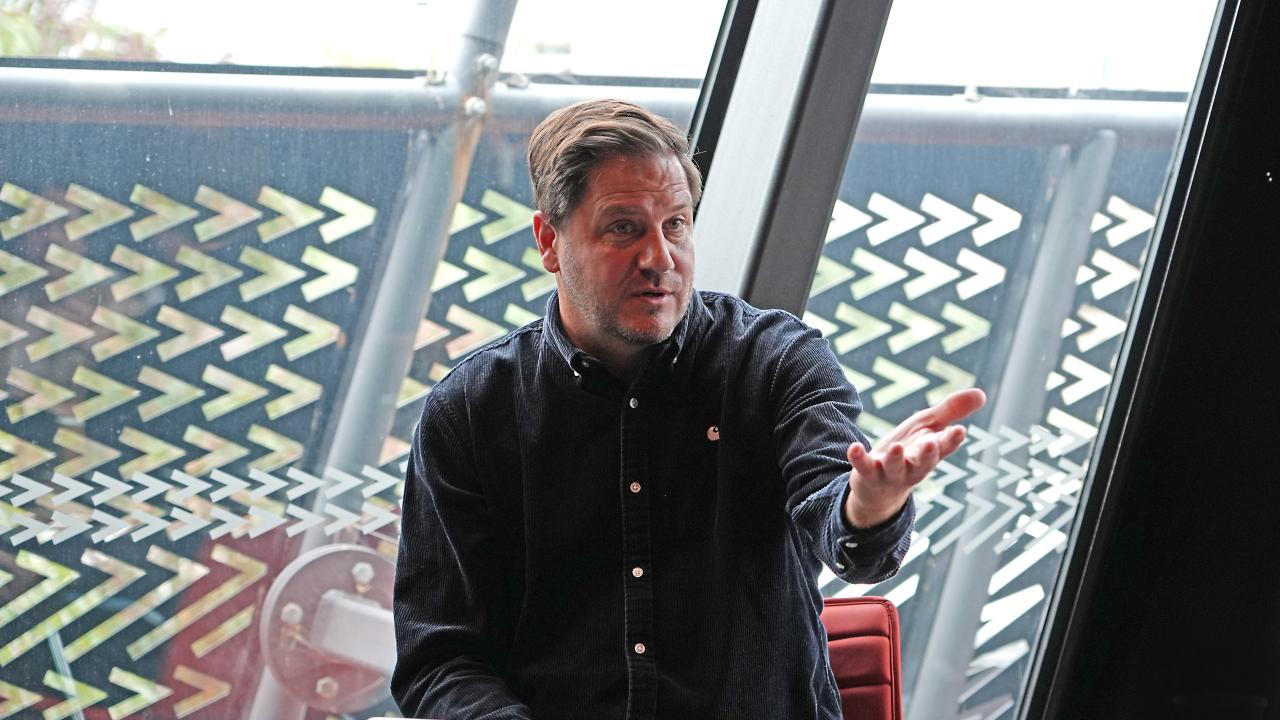
Dr Ryan Dunn, Senior Lecturer at the University of Melbourne, notes that middle leadership encompasses a highly diverse group of professionals working in the important space between senior leaders and classroom teachers. However, he makes a critical distinction: true middle leaders are those who possess direct influence over supporting teachers to improve their daily practice.
"The definition of leadership is that you have got some sort of influence," Dr Dunn explains. "One of the challenges of middle leadership is that it is coded quite broadly, and there are distinct sub-roles within that. But we are gradually getting a better sense of it."
In practice, these crucial middle leadership roles across Australian schools can include:
- Head of faculty or learning area
- Instructional coach
- Grade level team leader
- Lead teacher
- Learning specialist.
Defining middle leadership and Australia's research footprint
While inconsistencies appear at a national level, Victoria demonstrates a consistent approach to defining these roles, bringing greater clarity to how systems can support capability development and strengthen leadership pathways.
"It is really important when you are running professional learning that you are clear about who you are working with and what their actual function is, so you can start to group people together around that specific function," says Dr Dunn.
This growing understanding of middle leadership is shaping new conversations across schools and systems. It is also creating opportunities to rethink how leadership capability is developed and supported.
"We have got some really great work happening in Victoria across sectors, but there will also be significant opportunities to improve that over the next five to ten years as we learn more about what can be achieved in this space," Dr Dunn notes.
Compared to jurisdictions like the United States, which often operate on flatter structures where the career progression jumps sharply from classroom teacher to senior administrator, Australia is uniquely positioned. Australian academics and institutions have produced significant research into middle leadership, placing the country at the forefront of international conversations in this field.
Why function matters more than title
When exploring what makes middle leaders effective, Dr Dunn suggests the answer does not sit within a generic checklist of leadership qualities, but in understanding the specific function of each role.
Because middle leadership captures such a broad range of responsibilities, applying a one-size-fits-all approach to development can quickly become problematic.
A leader overseeing student wellbeing requires different knowledge and capabilities to a colleague responsible for curriculum alignment, instructional coaching or timetabling. High-performing environments recognise these differences and build capability around the work leaders are expected to do.
Dr Dunn argues that effective leadership development begins with understanding the function of the role and tailoring support accordingly. Professional growth becomes more meaningful when it is grounded in context.
A mathematics leader, for example, may need support in instructional leadership, while a pedagogy coach may focus more heavily on teacher development and classroom improvement.
Where strategy becomes practice
The true value of a well-defined middle leadership tier lies in its unique proximity to classroom practice. Middle leaders sit closest to the day-to-day work of teaching and learning. While senior leaders establish strategic priorities and broader direction, middle leaders work alongside teachers to translate those priorities into action.
This position gives them unique insight into what is working, where implementation is gaining traction and what barriers may be slowing progress.
Their proximity to classrooms also means many maintain strong relationships with teachers, families and broader school communities, allowing them to act as an important connection point between school leadership and those experiencing change most directly.
The friction of stepping up
Despite the influence middle leaders can have, moving into these roles often presents significant professional and personal challenges.
Many new middle leaders find themselves navigating two identities at once, maintaining their role as classroom teachers while taking on additional leadership responsibilities.
There is also a substantial shift from managing work to leading practice. Administrative responsibilities and coordination tasks remain important, but instructional leadership requires a different mindset, one focused on improving teaching and supporting colleagues.
The transition can also alter peer relationships in unexpected ways.
When teachers move into leadership positions within their existing schools, changing perceptions among former peers can create tension. In the Australian context, this can sometimes be intensified by discomfort around exercising instructional authority with colleagues who were once peers.
Dr Dunn notes that this dynamic may explain why some teachers choose to move schools when stepping into middle leadership positions. Establishing relationships in a new setting can make it easier to lead from the outset within the context of a new role.
Looking forward
As schools continue investing in improvement, middle leaders are increasingly emerging as the link between strategy and classroom practice. Defining these roles more clearly, and developing them intentionally, may prove critical not only to strengthening leadership pathways, but also to improving teaching and learning outcomes.
This content is based on an interview with Dr Ryan Dunn, Senior Lecturer at the University of Melbourne, and the supporting resources outlined below. Dr Dunn specialises in teacher professional learning, and his international research and practical work focus on improving educational outcomes through effective leadership and evidence-informed teaching strategies.
Join Dr Dunn at the Middle Leaders Conference
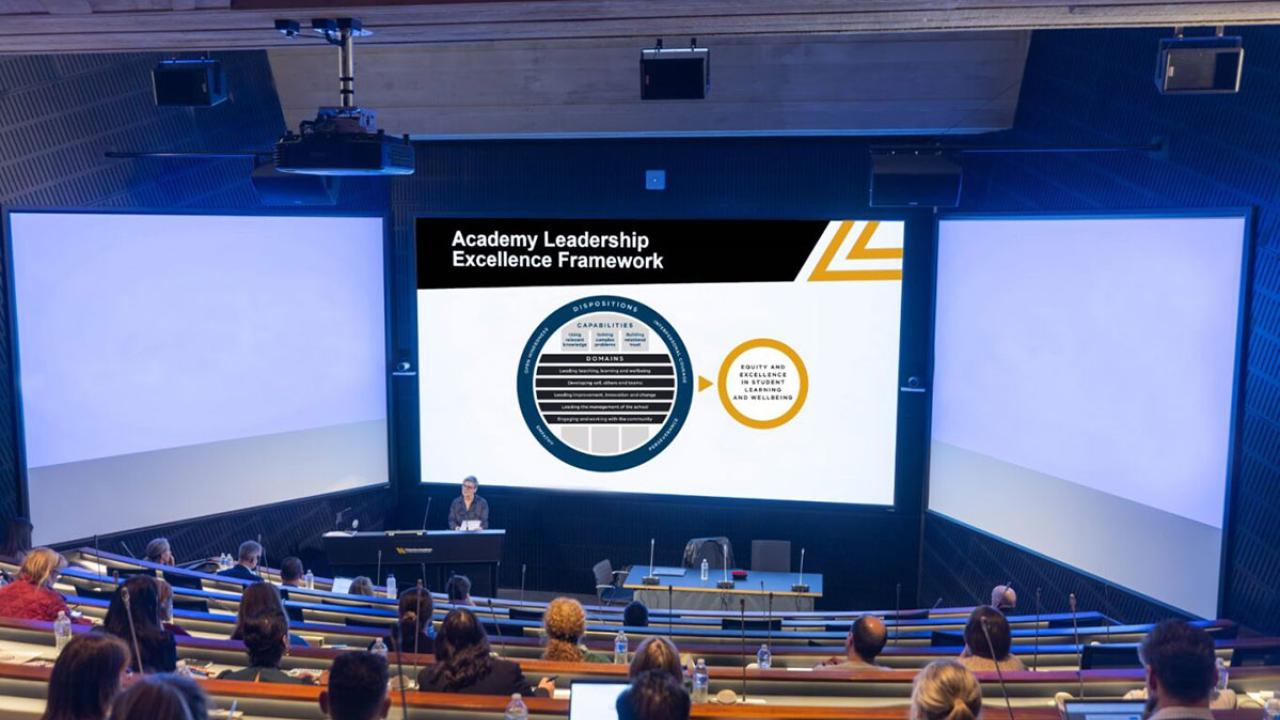
Dr Dunn joined the Academy at the Middle Leaders Conference on 9 July 2026, where he expanded on these ideas and explored what it means to lead with influence.
Supporting resources
Donnie Adams, Jayanti S Sothinathan and Norfariza Mohd Radzi, ‘Science Mapping the Evolution of Middle Leadership Research, 2002–2023’ (2026) 54(1) Educational Management Administration & Leadership 28–45.
Ryan Dunn & Pauline Thompson (30 Jan 2026): Examining principals’ practices for identifying and nurturing middle leadership, Professional Development in Education.
 Middle Leaders Conference