


06 May 2026
Shifting reactive self-care to proactive teacher wellbeing
For many teachers, wellbeing may feel like another item on a growing to-do list. This is the honest assessment of Amy Green, an educator, author and founder of The Wellness Strategy, a framework dedicated to reshaping how schools approach staff wellbeing.
While a yoga session or staff morning tea may provide some relief, effective wellbeing goes beyond what we do to recover from work and must focus on how we undertake and plan for the work itself.
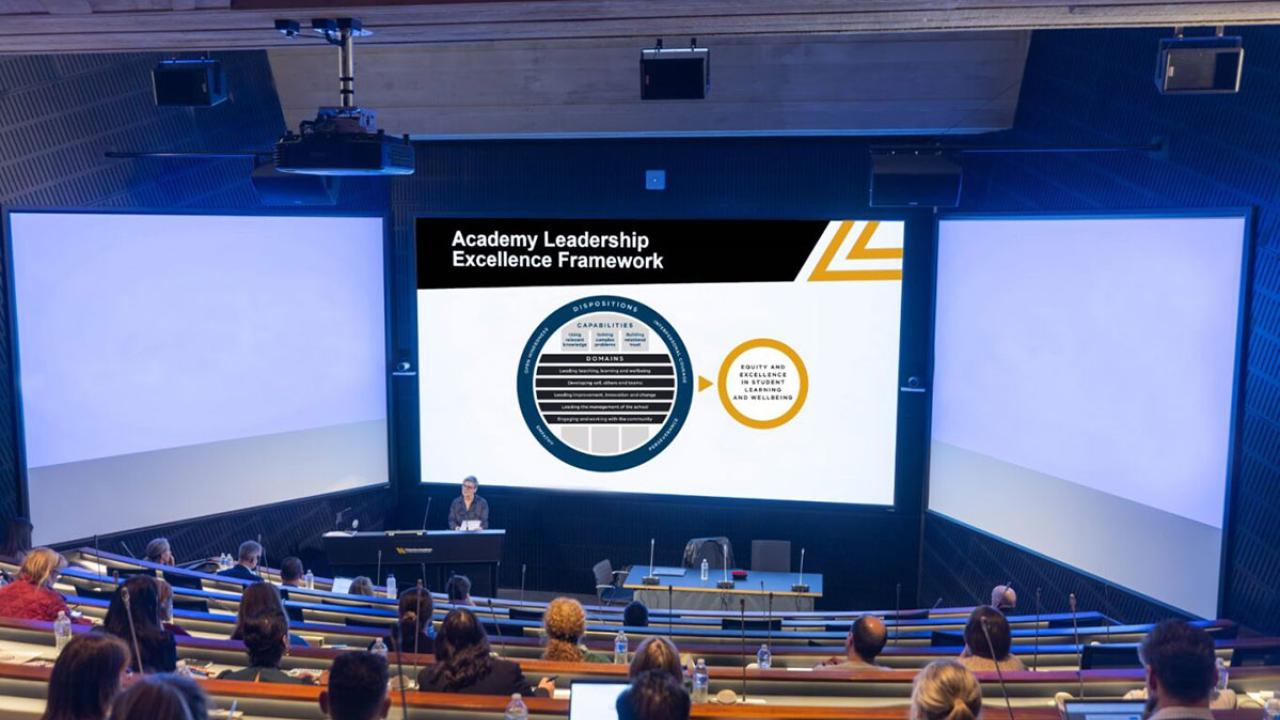
As part of the Thought Leadership Series Teacher Wellbeing webinar, Amy presented the principles of The Wellness Strategy, offering advice on managing teacher burnout.

Amy Green, Founder of the Wellness Stratgey
Understanding and preparing for stress
Amy reiterates that stress is a normal part of any job, but several micro-stresses can accumulate into something bigger. She encourages teachers to look ahead in their workload and anticipate whether potential stress will be momentary or repeated.
'Report writing is stressful, but we know it happens every semester,’ she says. The stress we experience isn’t the task itself, but our reaction to it, and we have autonomy over this. By planning for repeated stress, teachers can pre-empt it, identify what they need to do differently and build healthy resilience to the normal stress of their jobs.
When dealing with stress, Amy suggests educators pause and ask themselves:
- what can I control?
- what can I let go of?
- who can help me?
Set your boundaries
Setting and clearly communicating boundaries is another strategy for mitigating against stress. Amy reassures teachers not to feel guilty about setting boundaries, provided they can confidently say they are good for them and safe for others.
Boundaries can be as simple as:
- not having emails on your phone
- ensuring team meetings finish on time
- having dedicated time for sleep.
Having clear boundaries supports you to make the best decisions.
Build a culture of asking for help when it is needed
Teacher wellbeing is the responsibility of the teacher, leaders and the wider school, and strategies must be in place to support staff before they reach burnout.
When asking for help, Amy suggests being clear about the specific cause of stress, not just the symptoms and to identify why that stress is occurring.
While these conversations can be daunting, Amy says they help move a school’s wellbeing strategy beyond the ‘band-aid self-care' response to wellbeing and move towards ‘building sustainable, embedded cultures of wellness.’
These reflections provide a snapshot of what Amy presented as part of the Thought Leadership Series.
If you require mental health support, you can find out about services available at https://www.health.vic.gov.au/mental-health.